
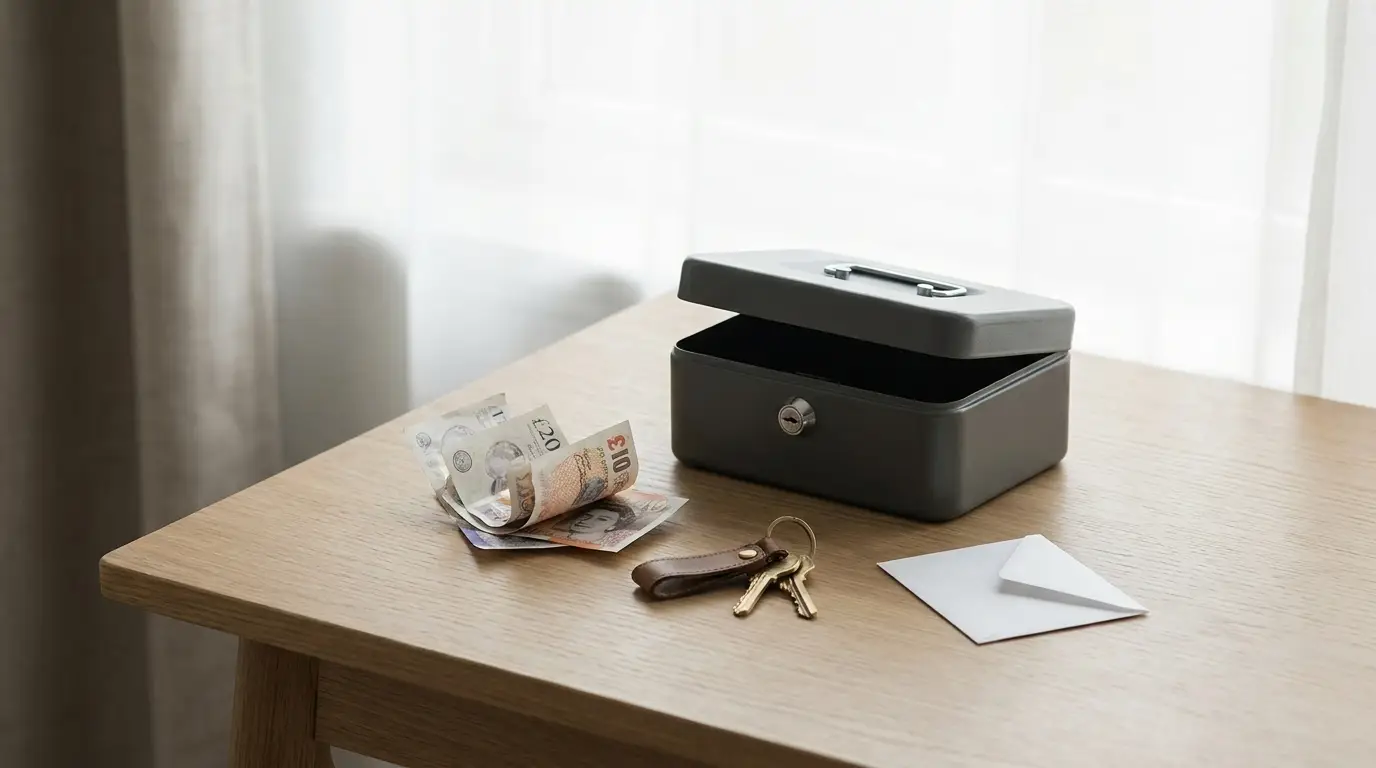
The UK rental market is one of the most heavily regulated in Europe, and that's no accident: the rules are designed to protect tenants and landlords alike. One of the most important obligations on any landlord is to protect the tenant's deposit properly. To make that happen, the UK runs a tenancy deposit protection system. It isn't a box-ticking formality or red tape — it's a legal duty, and getting it wrong can be costly. This guide explains how the system works, what it means for tenants and what every landlord needs to know.
What is a deposit protection scheme?
A deposit protection scheme is a government-approved system in which tenants' deposits are held. The deposit is usually paid at the start of a tenancy and acts as security that the property will be looked after and the rent paid. The key point is that the deposit doesn't sit in the landlord's or agent's pocket — it's held safely in an independent scheme for the whole tenancy.
In England there are three officially approved schemes:
- Deposit Protection Service (DPS) — the most popular, and often free for the landlord to use.
- MyDeposits
- Tenancy Deposit Scheme (TDS)
All three are equally valid and lawful — you choose between them on cost, convenience and features. They all work on the same principle: the deposit must be protected within 30 days of being received, and within that same period the tenant must be given a document confirming the protection.
Simply registering the deposit isn't enough. Within 30 days the tenant must also be given the so-called prescribed information — a standard document stating which scheme is holding the deposit, how much it is and how it will be returned. Without this document the landlord is treated as having broken the law, even if the deposit really has been protected.
How large can the deposit be?
Under the Tenant Fees Act the size of a deposit in England is capped. As a rule it cannot exceed five weeks' rent. Only where the annual rent is £50,000 or more can a landlord ask for up to six weeks. Asking for any more is unlawful — the cap protects tenants from an excessive upfront burden when they move in.
Why does deposit protection matter so much?
Protection for the tenant
Without a scheme, a tenant would run the risk that their deposit is unfairly kept back at the end of the tenancy. A deposit held in a scheme is a guarantee that the money will be returned, provided the property has been properly looked after and the agreement honoured.
Transparency and fairness for both sides
If a dispute arises, the decision is made not by the landlord but by an independent adjudicator. If the landlord genuinely wants to deduct for damage, they have to produce evidence — photos, an inventory, invoices. If the tenant disagrees, professional mediators settle the matter.
A legal duty, and the penalties
For a landlord this isn't optional — it's the law. If the deposit isn't protected within 30 days, or the prescribed information isn't provided, the tenant can take the matter to court. The landlord can face a penalty of between one and three times the deposit amount, and they also lose the right to evict the tenant using a standard Section 21 notice until the breach is put right.
A properly protected deposit isn't a burden on the landlord — it's a mark of professionalism that protects both sides.
What tenants should know
- Always ask for written confirmation that the deposit has been protected, along with the prescribed information.
- Check which of the three schemes is holding your deposit — you can do this directly on the scheme's own website.
- If the landlord hasn't done this, you have the right to take the matter to court and claim compensation.
- In a dispute you have the right to an independent assessment — no one can simply "keep the money" without evidence.
What landlords should know
- Protect the deposit in one of the three schemes within 30 days and keep it protected for the whole tenancy.
- Give the tenant the details in writing: where the deposit is held, which scheme it is and how it will be returned.
- Don't confuse the deposit with other payments — agency fees or rent in advance are not the deposit.
- When the tenancy ends without a dispute, return the deposit promptly; if a dispute arises, submit your evidence to the scheme's adjudication service rather than deciding it yourself.
A practical example
Imagine a tenant paid a £1,200 deposit. At the end of the tenancy the landlord claims a wall has been damaged and refuses to return the full amount. If the deposit is held in a scheme, the dispute is heard by an independent adjudicator: they review the inventory photos taken before move-in and the invoices for the repair. If it turns out the damage is minor and the repair costs £200, the landlord can deduct only that amount — the tenant gets the remaining £1,000 back. A process like this protects both sides from unfair outcomes.
Common mistakes
- Forgetting to protect the deposit. The law applies to everyone — even when the deposit is small.
- Not giving the tenant the paperwork. Registering the deposit alone isn't enough; you also need written confirmation and the prescribed information.
- Missing the 30-day deadline. Even a few days' delay can cost you the right to use Section 21.
- Trying to keep back unreasonably large amounts. Without evidence, an adjudicator won't approve the deduction.
100 Key Properties is a MyDeposits registered agent. When we manage a let on a landlord's behalf, we protect the deposit on time in the right scheme, give the tenant the prescribed information and keep every document on file — so that a year or two down the line you have proof the law was followed. That removes the risk of a penalty and gives both sides clarity from day one.
Quick reference
- Protection: within 30 days, in one of the three schemes (DPS, MyDeposits, TDS).
- Paperwork: for the tenant — confirmation plus the prescribed information.
- Cap: up to five weeks' rent (six if the annual rent is £50,000+).
- Disputes: decided by an independent adjudicator on the evidence.
Want a tidy, legally compliant tenancy? See which mistakes to avoid when signing a tenancy agreement, what renters' rights in the UK cover, or head back to all our guides.